Structural steel is a versatile category of steel construction materials, primarily carbon steel with specific alloying, shaped into beams, columns, channels, and hollow sections for load-bearing frameworks in buildings and infrastructure.
Key Properties
Structural Steel Shapes
- High strength and ductility: Excellent tensile strength (up to 400-550 MPa yield), allowing it to bend without breaking under stress like earthquakes or wind.
- Customizable: Rolled, welded, or fabricated into I-beams, H-sections, angles, plates; recyclable and cost-effective.
- Standards: Governed by ASTM (e.g., A36, A572), EN 10025 for composition, tolerances, and performance.
Common Shapes
These items are designed for specific load-bearing roles, with cross-sections optimized for strength and efficiency. Key types include:
- I-beams (W-shapes or wide flange beams): Elongated beams with flanges wider than the web, ideal for resisting bending in floors, roofs, and bridges.
- Channels (C-shapes): C-shaped sections used for lighter framing, bracing, or as secondary supports alongside main beams.
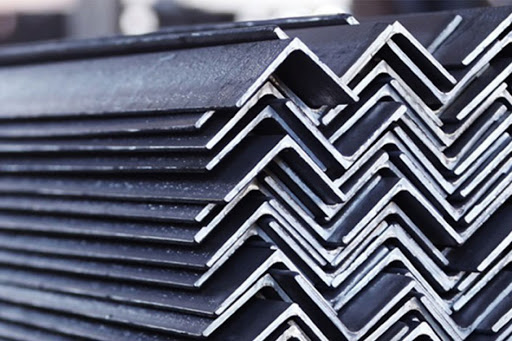
- Angles (L-shapes): L-shaped bars for trusses, connections, bracing, and framing where multi-directional support is needed.
- Hollow Structural Sections (HSS): Square, rectangular, or round tubes offering torsional strength and aesthetics in columns or exposed frameworks.
- Plates: Flat, thick sheets for gussets, stiffeners, or built-up sections like girders.